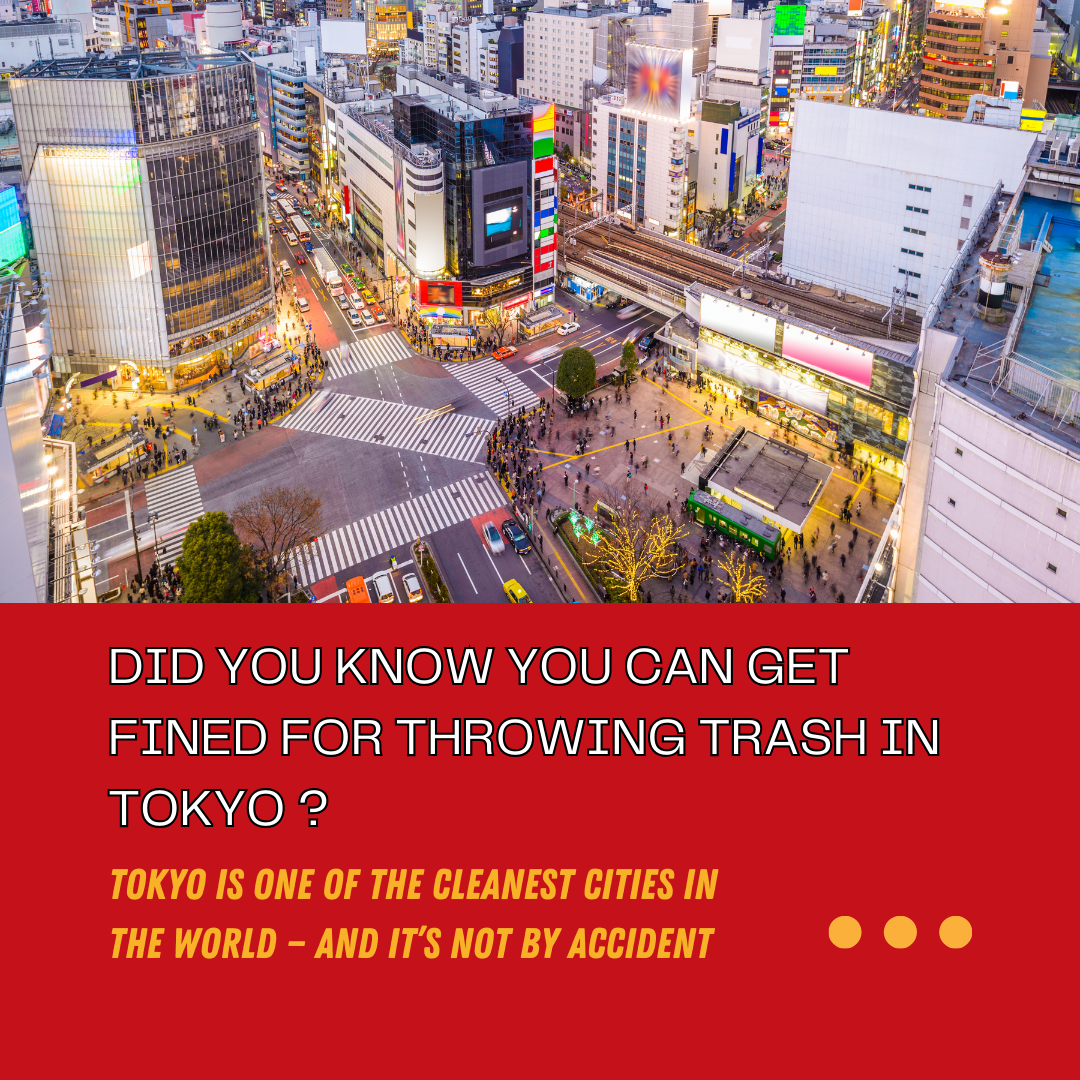
Tokyo is often called one of the cleanest cities in the world. When you first arrive,
it’s almost surprising how clean Tokyo is: no trash on the streets, no overflowing bins, and everything feels incredibly organized.
But this level of cleanliness doesn’t happen by accident. It’s the result of daily habits, cultural values, and strict rules that everyone follows — from locals to international students.
🚫 Fines for Littering
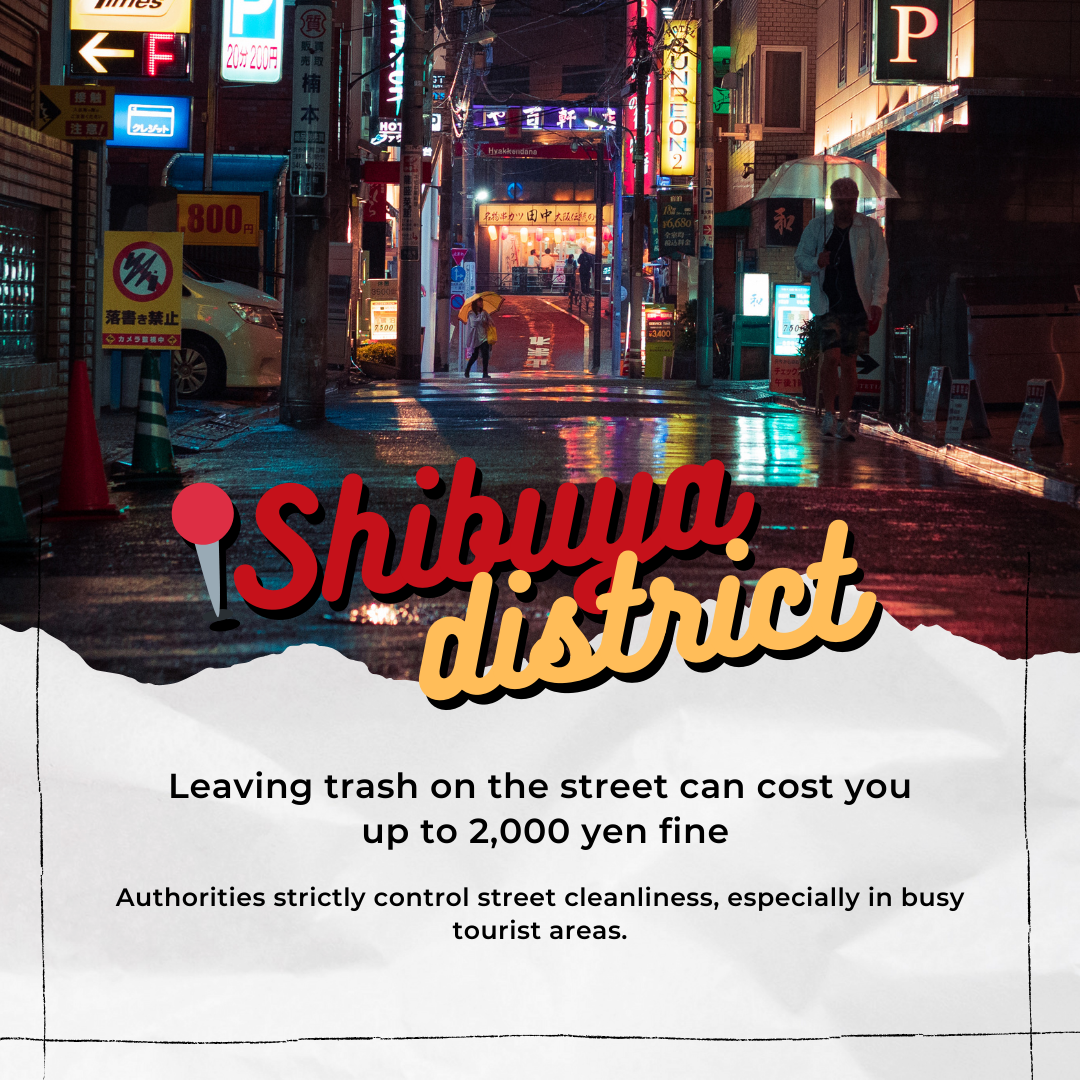
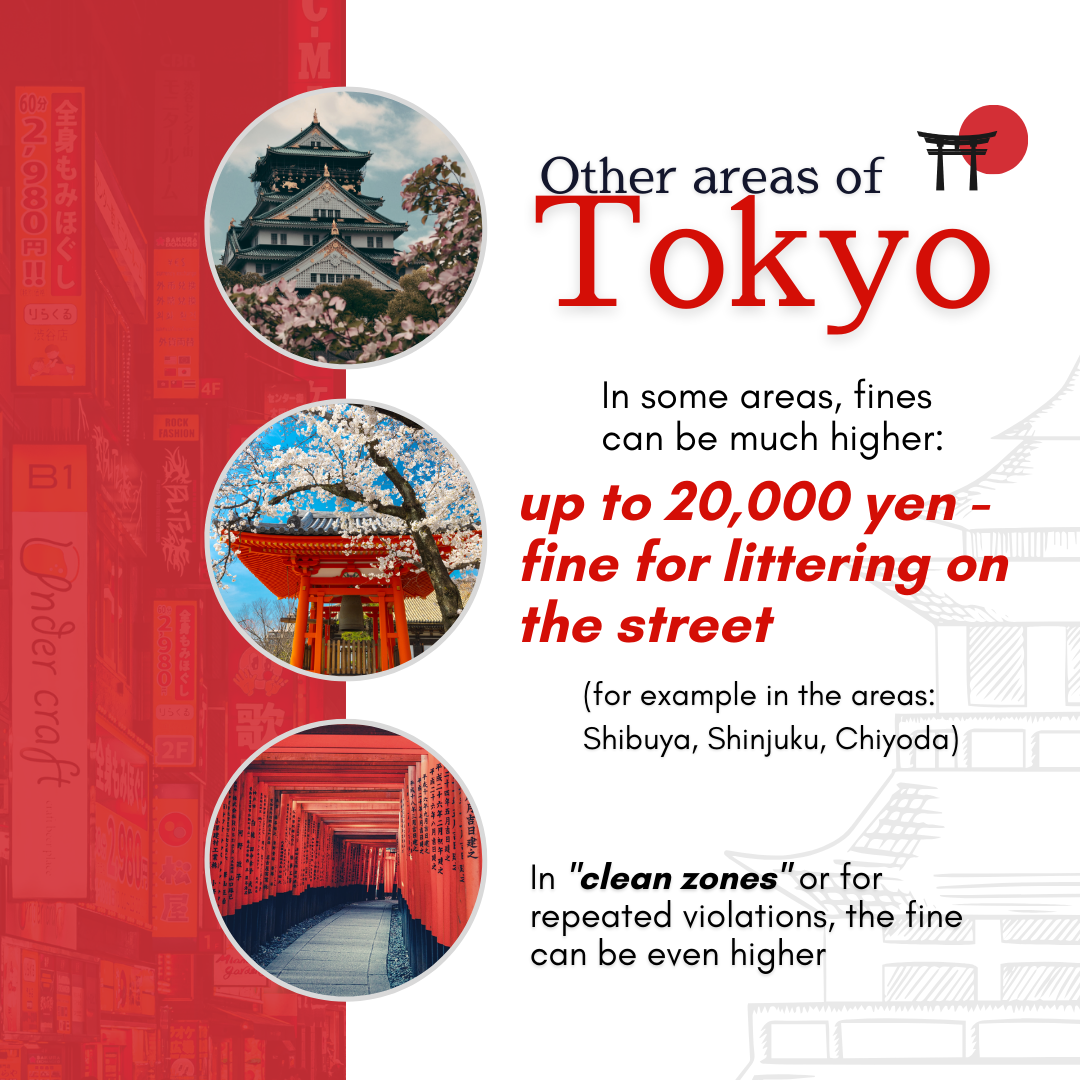
In busy districts like Shibuya, throwing trash on the street is taken seriously. You can receive a fine of up to 2,000 yen for littering.
Authorities actively monitor public areas, especially places with a high number of tourists. This helps maintain order and reminds everyone that keeping the city clean is a shared responsibility.
🗑️ Where Are All the Trash Bins?
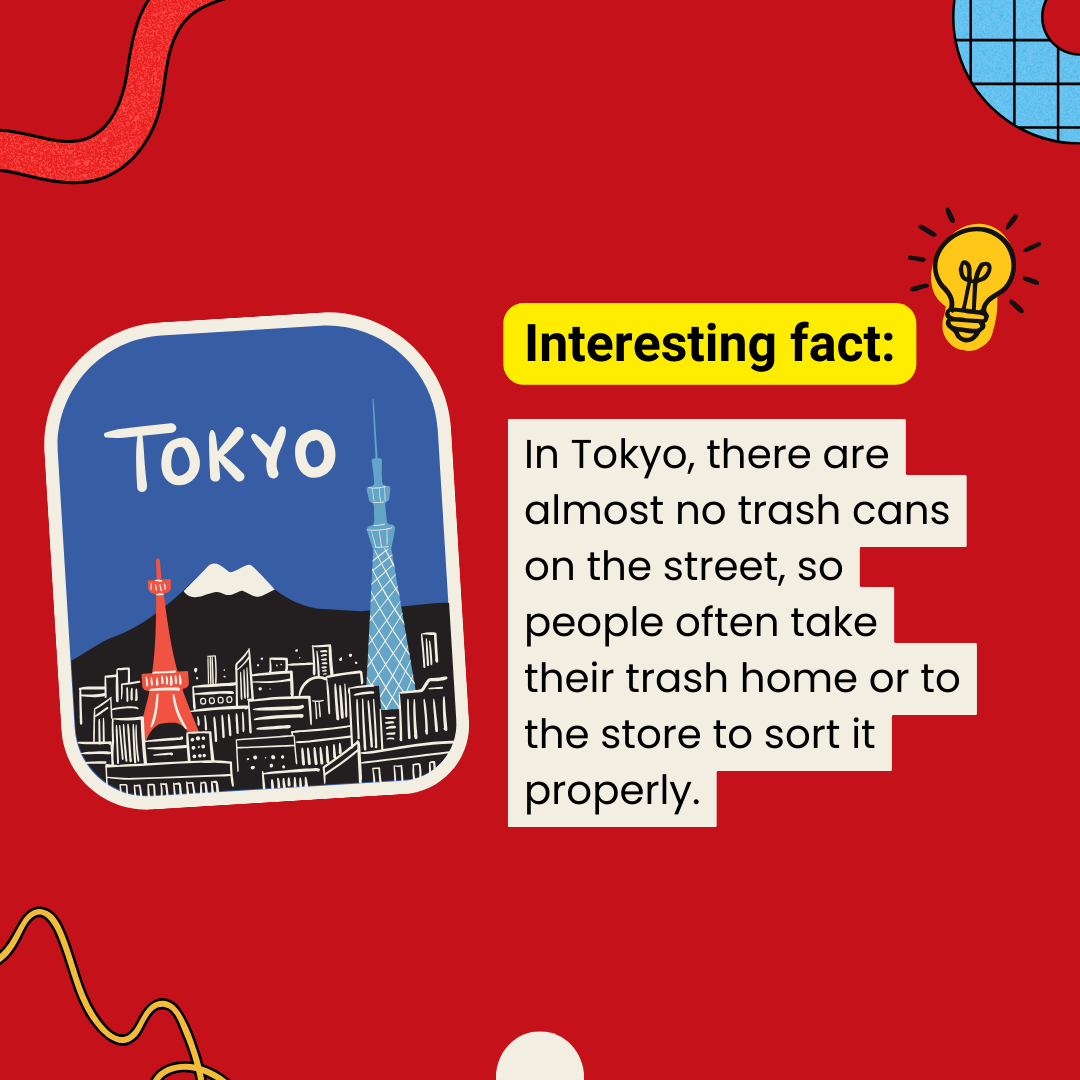
One of the first things students notice in Tokyo is the lack of public trash bins. Unlike many European cities, bins are not available on every corner.
Instead, people are used to carrying their trash with them until they find the right place to dispose of it — often at home or in designated areas.
This habit might feel unusual at first, but it quickly becomes part of your daily routine.
♻️ Strict Waste Sorting System
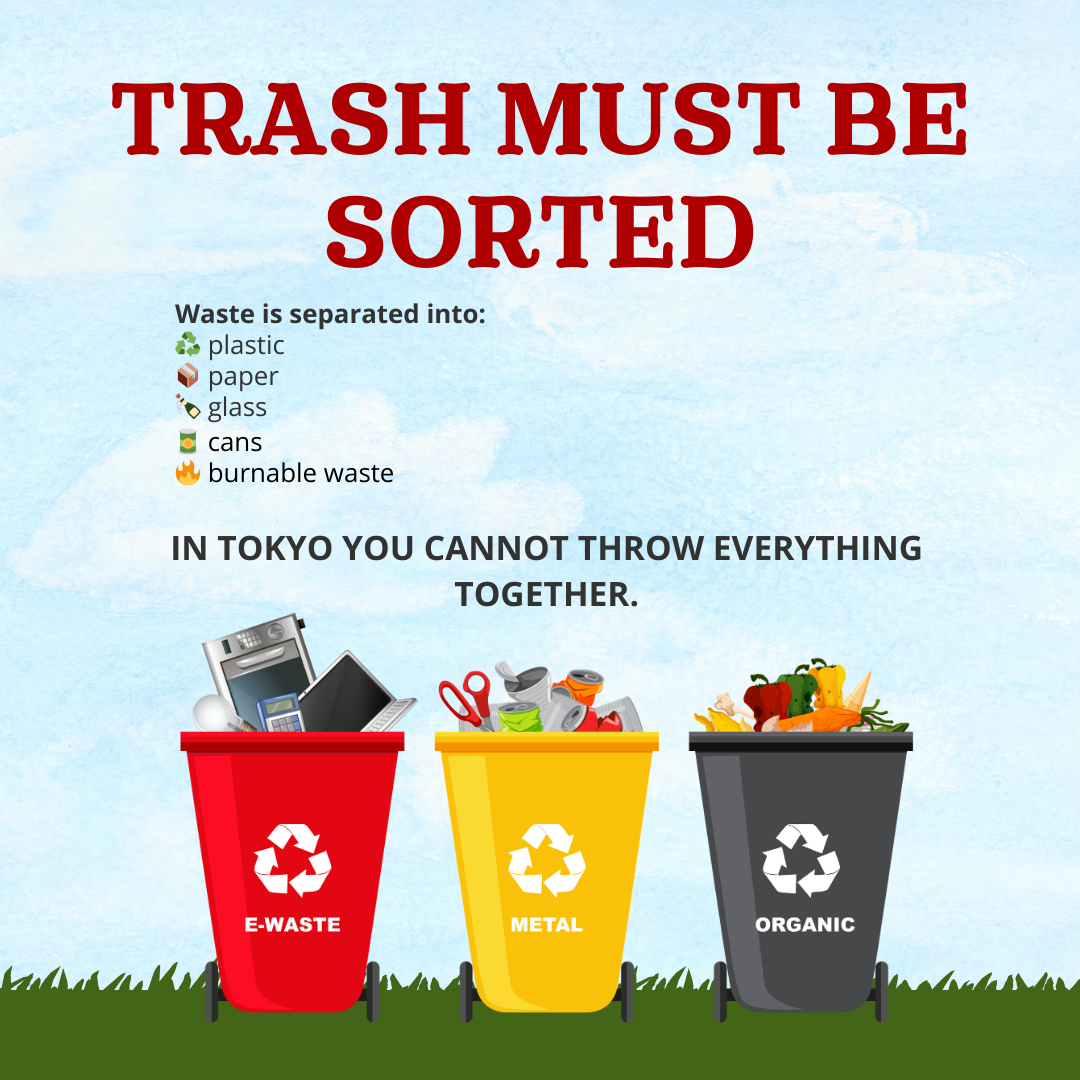
Japan has one of the most organized waste management systems in the world. Unlike in many other countries, throwing everything into a single bin is not an option. Residents are expected to separate their garbage into specific categories, helping to maximize recycling and reduce environmental impact.
The most common categories include:
- plastic
- paper
- glass
- cans
- burnable waste
Depending on where you live, there may also be separate collections for non-burnable waste, PET bottles, cardboard, or oversized items. Every municipality has its own rules, so it’s important to check the waste disposal guide provided by your local ward or city office.
For international students living in Tokyo, learning these rules is an important part of everyday life. It not only helps you avoid mistakes or complaints from neighbors, but also shows respect for the local community and Japanese culture. After a few weeks, waste sorting becomes a simple habit that makes daily life in Japan much easier.
🌏 Cleanliness as a Cultural Value
In Tokyo, cleanliness is more than a rule—it’s a way of life. People are taught from a young age to respect shared spaces and take responsibility for keeping them clean. Small everyday actions, such as carrying your own trash, sorting waste correctly, and leaving public places tidy, help create a cleaner city for everyone.
For international students, adopting these habits is an easy way to show respect for Japanese culture and feel more integrated into daily life.
🎓 What This Means for Students
If you plan to live or study in Tokyo, adapting to these habits will make your experience much smoother.
By following these simple rules, you:
- respect local culture
- avoid fines
- contribute to a better environment
- feel more integrated into daily life in Japan
💡 Small Habits, Big Impact
Tokyo stays clean because everyone takes responsibility — and that includes you.
Small habits like not littering, sorting waste, and carrying your trash may seem minor, but together they make a huge difference.

Want to learn more about student life in Tokyo or stay updated with useful tips?
Follow us and explore all our platforms: