
Living in Japan: A guide to everyday life
Life in Japan can be very different from what you are used to. Here is an article that gives you a glimpse into daily living, habits, and what to expect.
Living in Japan offers a unique blend of tradition and modernity. Whether you are staying short-term or planning a longer stay, adapting to daily life here can be both exciting and challenging. From quiet residential neighborhoods to bustling train stations, life in Japan is structured, clean, and efficient.
One of the first things newcomers notice is the emphasis on respect and harmony. Social etiquette is deeply embedded in daily interactions, from bowing when greeting someone, to removing your shoes before entering a home or even some restaurants.
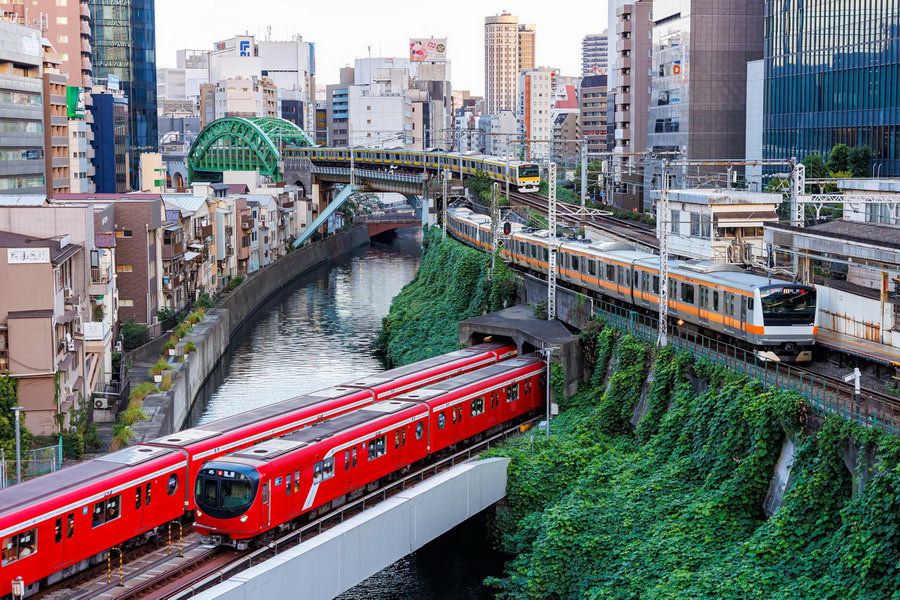
Public transport is punctual and clean, but rush hour can be intense, especially in cities like Tokyo or Osaka. Trains are the main mode of commuting, and understanding how to navigate the system is essential.
Shopping is convenient thanks to the abundance of 24/7 convenience stores, known as konbini (コンビニ). They offer everything from hot meals and toiletries to bill payment services. Supermarkets and drugstores are well-organized but often do not carry the same brands or product sizes as in Western countries.
Garbage sorting is strictly regulated. Each area has specific rules on how and when to dispose of burnable, non-burnable, and recyclable waste. It can be confusing at first, but residents are expected to follow these rules precisely.
Apartment living in Japan usually means smaller spaces compared to Western standards. However, they are functional and often located near public transportation. Shared housing (colocation) is popular among foreigners and students, offering a more social and affordable lifestyle.
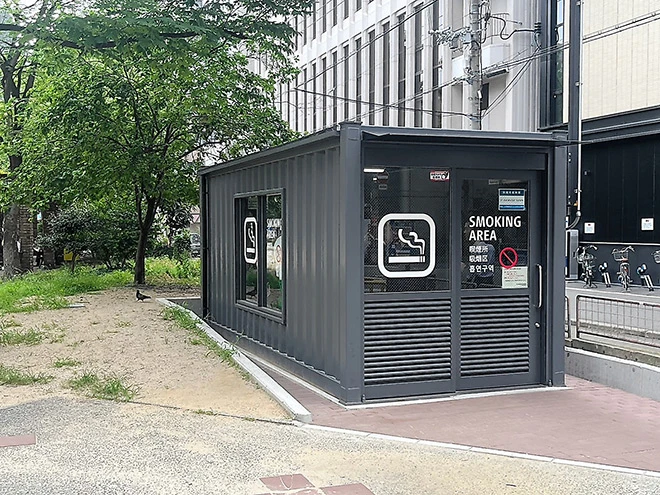
Smoking is restricted to designated areas, and walking while smoking is often prohibited in many cities. Similarly, loud behavior in public or on the train is frowned upon, quietness is a cultural norm.
While English is not widely spoken outside of tourist spots, people are generally polite and willing to help. Learning a few basic Japanese phrases will go a long way and show respect for the culture.
Overall, life in Japan is safe, orderly, and culturally rich. With a little effort to adapt, it can be one of the most rewarding experiences you’ll ever have.
To help you adjust more easily, we’ve prepared several short articles covering key aspects of daily life in Japan, from cleaning and garbage sorting to smoking rules and cultural tips.
Why Is Tokyo So Clean? Simple Rules Every Student Should Know
Tokyo is often called one of the cleanest cities in the world. When you first arrive, it’s almost surprising — no trash on the streets, no overflowing bins, and everything feels incredibly organized. But this level of cleanliness doesn’t happen by accident. It’s the result of daily habits, cultural values, and strict rules that everyone follows — from locals to international students. 🚫 Fines for Littering In busy districts like Shibuya, throwing trash on the street is taken seriously. You can receive a fine of up to 2,000 yen for littering. Authorities actively monitor public areas, especially places with a high number of tourists. This helps maintain order and reminds everyone that keeping the city clean is a shared responsibility. 🗑️ Where Are All the Trash Bins? One of the first things students notice in Tokyo is the lack of public trash bins. Unlike many European cities, bins are not available on every corner. Instead, people are used to carrying their trash with them until they find the right place to dispose of it — often at home or in designated areas….
New Bicycle Rules in Tokyo: What You Need to Know
Cycling is one of the most convenient and affordable ways to get around Tokyo. Many residents and international students use bicycles daily to travel between home, university, work, and nearby neighborhoods. It’s fast, practical, and often much easier than using crowded trains for short distances. However, in recent years, Tokyo authorities have introduced stricter rules for cyclists in order to improve road safety and reduce accidents. If you plan to use a bicycle while living in Tokyo, it’s important to understand these regulations and follow them carefully. Why the Rules Have Changed Bicycles are extremely popular in Japan, especially in large cities like Tokyo. Because of the growing number of cyclists, accidents involving bicycles and pedestrians have increased in recent years. To improve safety for everyone on the road, the government has strengthened the rules for bicycle riders. Cyclists are now expected to follow many of the same traffic rules as drivers, and police can issue fines for violations. Basic Cycling Rules in Tokyo When riding a bicycle in Tokyo, cyclists must follow several basic rules: Ride on the left side of the road, following traffic flow Stop at red lights and obey traffic signals Give priority to pedestrians Avoid dangerous riding behaviors Although bicycles may sometimes use sidewalks, cyclists must always prioritize pedestrians and ride slowly when doing so….
Japan’s most famous attraction: convenience stores
Japan is full of surprises, from its spectacular views of Mt. Fuji…
Are you a student looking for a job in Japan?
Is the job search becoming too stressfull? Looking for a job in…
TOKYOSTAY For Working Holidays !
Are you planning a working holiday in Japan? Looking for the right…
National Holidays in Japan ✨
Japan has a rich cultural calendar filled with unique public holidays. These…
Garbage in Japan
It is very important to follow the garbage rules in Japan. In…
Transports in Japan
Lost by Japanese public transport ? TokyoStay is here to explain the…
Smoking in Japan
Smoking in Japan: What you need to know before comingJapan is known…
Student Discount in Japan🧑🎓
Being a student in Japan comes with more than just academic opportunities,…