How to Use a Washing Machine in Japan
Using a washing machine in Japan can feel confusing at first, especially if you’re used to washing machines in Europe or the United States. Japanese washing machines have different settings, use less water, and are designed to be highly efficient.
Sort Your Clothes Before Using the Washing Machine
Before starting the washing machine, separate your clothes into different categories:
- White clothes
- Colored clothes
- Dark clothing
- Delicate fabrics
- Denim
- Underwear
- Heavily soiled garments
Sorting laundry correctly helps preserve colors, protect delicate fabrics, and improve washing performance.
Prepare Your Clothes for the Washing Machine
Before loading the washing machine:
- Close all zippers and buttons.
- Empty every pocket.
- Remove tissues, coins, or other small objects.
- Turn jeans, printed T-shirts, and dark clothes inside out to reduce fading.
- Place delicate clothing, underwear, or garments with metal decorations inside laundry nets.
These simple steps help protect both your clothes and the washing machine.
How Japanese Washing Machines Are Different
Japanese washing machines are designed to save water, energy, and space. Most models automatically calculate the amount of water needed according to the size of the load. Because many washing machines in Japan use less water, low-foam concentrated detergents are recommended. These detergents rinse more efficiently and prevent excessive foam from building up inside the machine.
Popular Japanese detergent brands include:
- Attack
- Ariel
- Bold
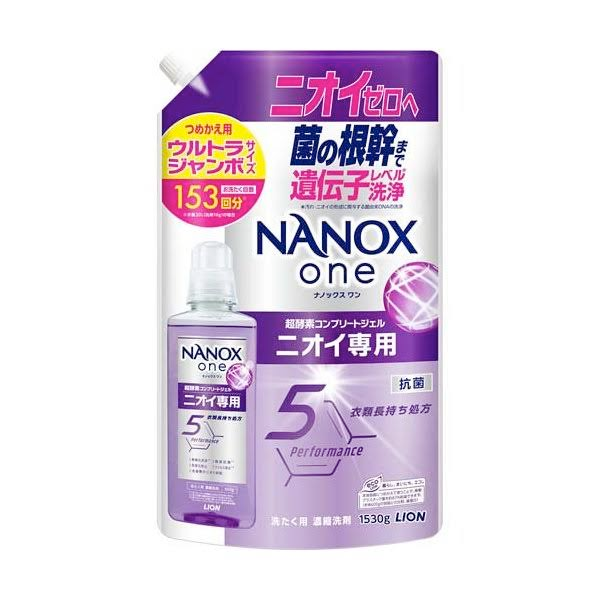
- Nanox
Most Japanese detergents are:
- Highly concentrated
- Low-foam
- Designed for cold-water washing
- Effective against sweat and humidity odors
Where to Buy Laundry Detergent in Japan
Laundry detergent is widely available throughout Japan. You can buy it at:
- Supermarkets such as Aeon and Seiyu
- Drugstores like Matsumoto Kiyoshi, Welcia, and Sugi Pharmacy
- Convenience stores including 7-Eleven, FamilyMart, and Lawson (usually smaller bottles)
- 100-yen shops such as Daiso and Seria, which also sell laundry accessories
Best Laundry Detergents for a Japanese Washing Machine
Everyday Detergents
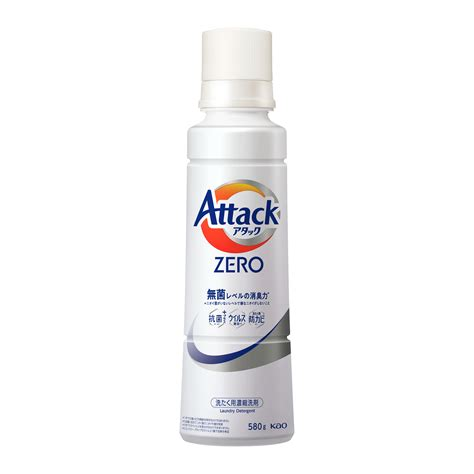
Liquid detergents are the most common choice for daily laundry and work well for regular clothing.
Gel Ball Detergents
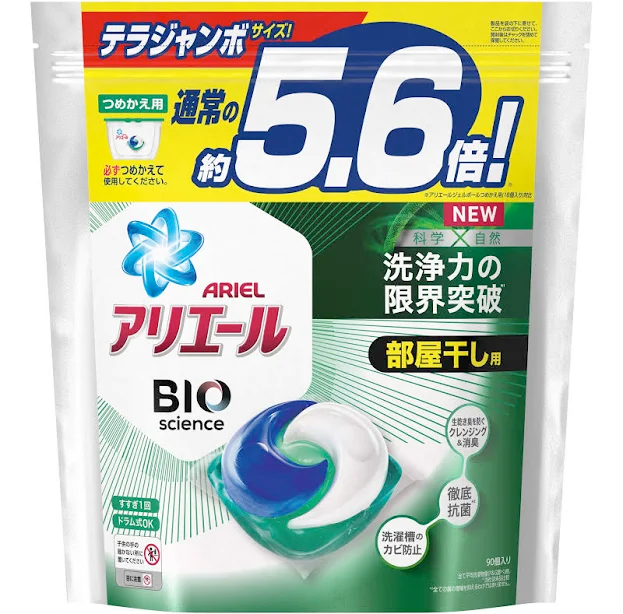
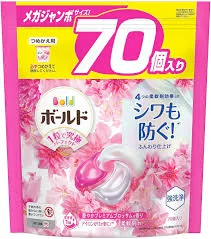
Laundry pods (gel balls) are extremely popular in Japan. Simply place one pod directly into the washing machine before adding your clothes. They are convenient, save time, and help eliminate unpleasant odors.
Detergents for Indoor Drying
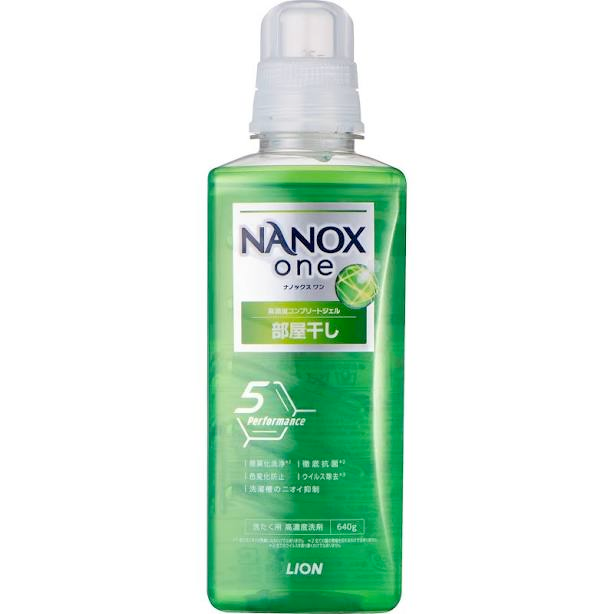
Many people in Japan dry their clothes indoors. For this reason, special detergents labeled Heya Boshi (部屋干し) are formulated to prevent damp smells and bacterial odors.
How to Dry Clothes After Using the Washing Machine
After the washing machine finishes its cycle, remove your clothes as soon as possible. Keep in mind, that leaving wet laundry inside the drum for several hours can cause unpleasant smells, mold, and bacteria to develop. To solve this problem, many Japanese households dry clothes outdoors using long metal poles called sao. Smaller items such as socks and underwear are usually hung on clip hangers known as pinch hangers.
During the rainy season or winter, indoor drying is also very common.
Tips You Should Never Ignore
To keep your washing machine working properly:
- Never overload the drum.
- Do not wash shoes unless the manufacturer specifically allows it.
- Always use laundry nets for delicate garments.
- Remove wet clothes immediately after the cycle ends.
- Leave the lid or door open for a while after washing to allow the drum to dry naturally and reduce mold formation.

Discover more tips for student life in Tokyo with Tokyo Stay